

A strong free shipping strategy can improve conversion, but it can also quietly weaken margin if it is treated like a quick promotional fix. That is why, in our work across paid media, retention, and eCommerce growth at 1 At Bat Media, we sometimes recommend testing free shipping before turning it into a loud campaign message.
The problem is simple: more orders do not always mean better growth. Shipping changes customer behavior, pricing, profitability, and expectations. So before a brand adds banners, emails, SMS pushes, and paid ads, it is worth asking what the offer is actually doing.
Is it removing checkout friction?
Is it pulling forward orders that would have happened anyway?
Is it helping new customers buy for the first time, or teaching returning customers to wait for a better deal?
That is where the strategy gets interesting.
Key Takeaways
- Free shipping strategy should be judged by profitable growth, not order volume alone.
- Testing free shipping quietly can give brands a cleaner read on customer behavior.
- Free shipping marketing works better when it is connected to margin, AOV, and customer type.
- “Free” shipping is a customer-facing promise, but the cost still has to be absorbed somewhere.
- The best free shipping strategies often use thresholds, bundles, product rules, or regional limits.
- New customers and returning customers may respond to free shipping very differently.
- Free shipping can become a competitive advantage when paired with a stronger buying experience.
Why Free Shipping Is More Than a Promo Message
Free shipping sounds like a marketing lever. And it is.
But it is also a pricing decision, a margin decision, a fulfillment decision, and a customer behavior decision. That is where many brands get tripped up.
The offer looks simple from the outside: buy the product, get shipping covered. Easy. Clean. Familiar.
Behind the scenes, the cost has to land somewhere. Product margin may absorb it. Prices may rise. A higher free-shipping threshold may cover part of it. Bundles, multipacks, subscriptions, product restrictions, and regional exclusions may all play a role.
This is why free shipping marketing should rarely be judged in isolation. A campaign can show higher revenue and still yield a lower contribution margin once paid acquisition, discounts, shipping, fees, returns, and fulfillment costs are included.
That is uncomfortable. Also useful.
Why We Sometimes Test Free Shipping Quietly
At times, it is most effective to quietly launch free shipping, without major announcements, homepage banners, email and SMS campaigns, or ad campaigns focused solely on the offer.
The goal is to determine if shipping costs are a significant barrier at checkout. A discreet test allows the team to assess whether conversion rates improve when the final price is more appealing, without the influence of a large promotion.
When a brand heavily promotes free shipping, it becomes difficult to interpret the results. While order volume may increase, the underlying reasons are unclear.
The increase could result from reduced friction, accelerated demand, smaller restock orders from loyal customers, an influx of low-value customers, or the combination of multiple incentives.
This creates a risk: while metrics may improve, the underlying insights become less clear.
A quieter free shipping strategy gives the team a better chance to understand the natural purchase path before training the audience to expect the offer.
Does Free Shipping Increase Sales?
Yes, free shipping can increase sales, but that is not the finish line.
The better question is whether it increases profitable sales. A lift in orders can look exciting until the margin stack tells a different story. This is especially true when free shipping is layered on top of a discount, a paid acquisition campaign, a free gift, low-margin products, high fulfillment costs, or expensive shipping regions.
This is where marketing strategy pricing matters. Free shipping changes the delivered price, and the delivered price is what customers actually react to.
A customer may like the product, click the ad, browse the site, add to cart, and start checkout. Then shipping appears. Suddenly, the purchase feels different.
Paid media did its job up to a point. The product created interest. The site got the customer to the cart.
Then the total changed.
Free shipping can reduce the final leak in the funnel, but the brand still needs to measure the overall business impact.
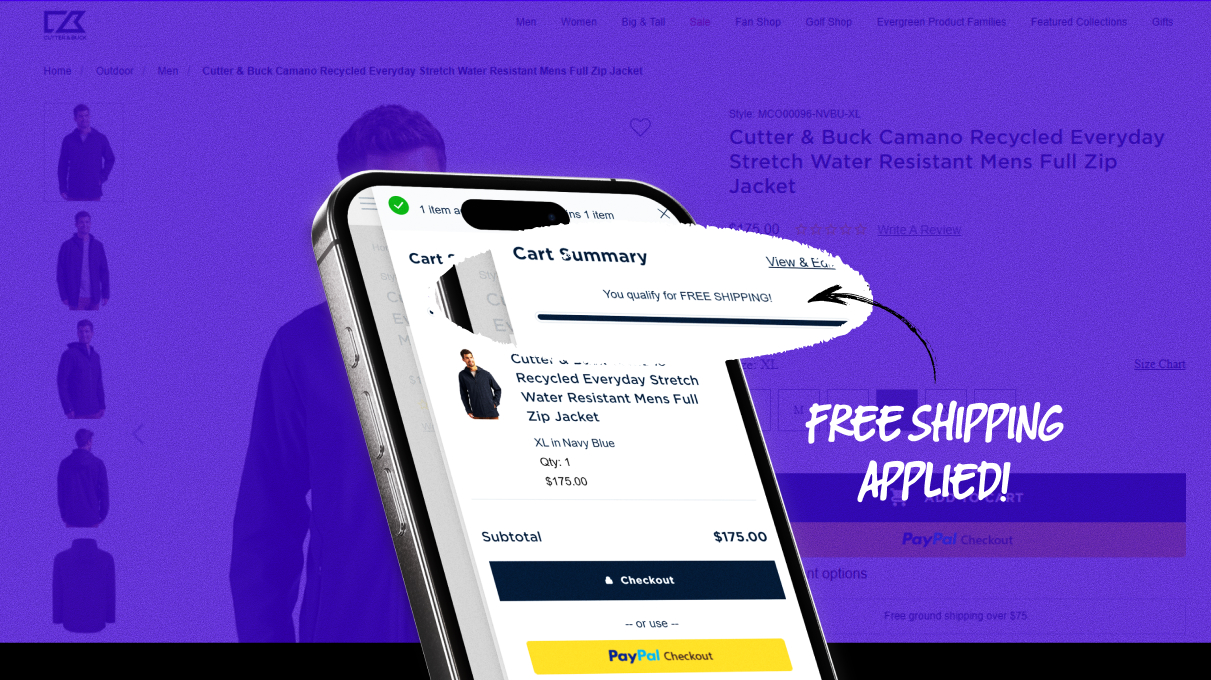
Does ‘Free’ Shipping Really Exist?
No, free shipping does not really exist. It exists as a customer-facing promise. Behind the scenes, someone pays for it.
That cost can be covered through:
- Product margin
- Higher prices
- A higher free-shipping threshold
- Bundles or multipacks
- Subscriptions
- Reduced discounting
- Product exclusions
- Regional restrictions
- Better carrier rates
- Higher average order value
This is why the dos and don’ts of offering free shipping should always start with economics. If the brand cannot afford the offer at the order level, it cannot fix that problem with better copy.
A free shipping offer on a $20 order may damage the margin quickly. Free shipping on a $75 bundle may be far more sustainable because the shipping cost is spread across a larger cart.
It’s the same offer, just a very different business outcome.
Free Shipping and Consumer Behavior
Free shipping and consumer behavior are closely linked because customers rarely judge a product’s price alone. They judge the delivered total.
That matters most near checkout, where the shopper has already done a lot of mental work. They considered the product, compared options, maybe checked reviews, maybe hesitated, maybe came back twice. Then the shipping cost appears, and the purchase feels slightly less worth it.
A small shipping charge can create a surprisingly large emotional response.
Annoying? Yes. Human? Also yes.
The important part is that different customer groups may respond differently. New customers may need free shipping to get over the first-purchase hurdle. Returning customers may use the offer to place smaller orders they already planned to make.
That creates a very different readout.
A good test should break out new-customer conversion rate, returning-customer AOV, repeat-purchase behavior, low-value-order growth, first-order contribution margin, and shipping cost by region.
One blended number will not tell the full story.
Free Shipping Strategies: Examples Worth Testing
The best free shipping strategies usually depend on the brand’s margins, product mix, fulfillment costs, customer behavior, and competitive pressure. There is no universal answer, which is mildly inconvenient but true.
Here are a few strategy examples that tend to be more useful than “free shipping on everything forever.”
1. Quiet Free Shipping Test
This is useful when a brand wants to know whether shipping costs are hurting checkout completion. The offer is active but not heavily promoted. The team watches conversion, AOV, customer type, and margin before deciding whether to turn it into a campaign message.
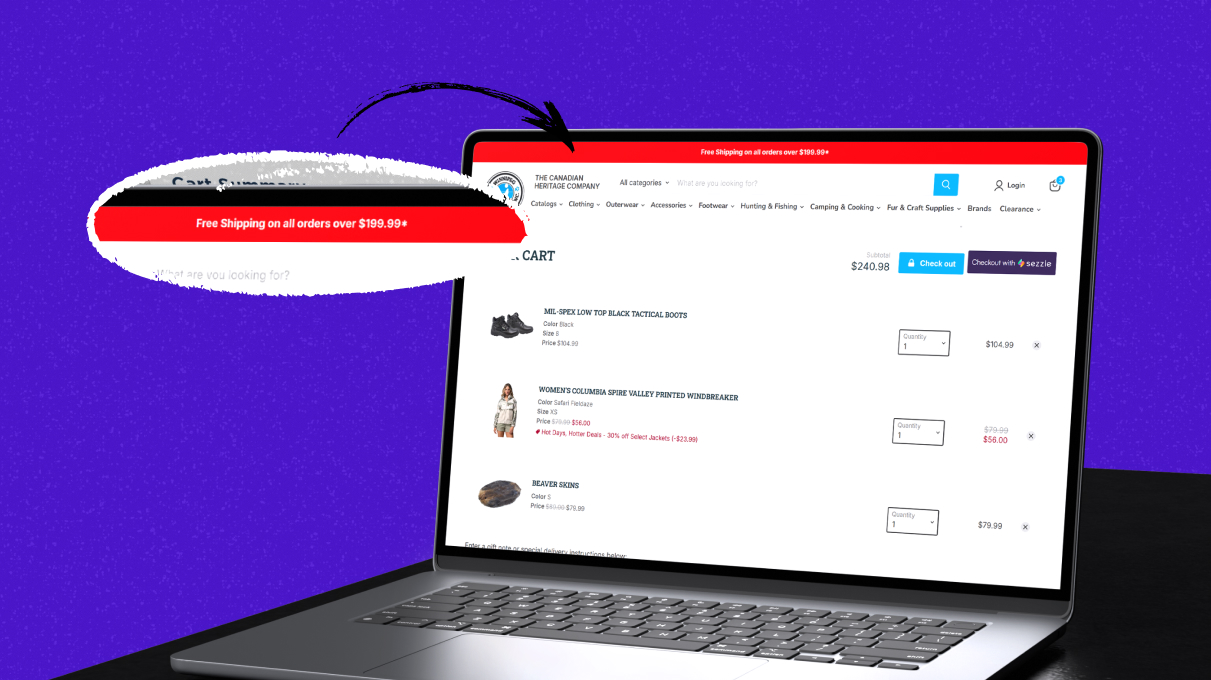
2. Threshold-Based Free Shipping
A threshold can encourage customers to add more to their cart, but it has to feel within reach. If the current AOV is $55 and the threshold is $75, the store needs clear ways to add $20 without making customers feel like they are buying filler.
Useful tools include add-ons, replenishment packs, accessories, bundles, and build-your-own sets.
3. Bundle-Supported Free Shipping
Bundles can make free shipping more sustainable. They raise AOV, give customers a more complete solution, and reduce reliance on straight discounts.
This works especially well for replenishment categories, consumables, supplements, and lower-ticket SKUs where single-item shipping is hard to support.
4. New-Customer Free Shipping
Some brands may want to test free shipping for first-time buyers while preserving returning-customer behavior. This can help reduce the first-purchase barrier without training the entire list to wait for shipping offers.
5. Regional or Product-Based Rules
Free shipping does not have to apply everywhere. Heavy products, oversized items, rural routes, remote regions, and international orders may need different rules. A strategy that works in Toronto may fail badly in a remote delivery zone.
That sounds obvious until a $300 shipping cost appears on an order that looked profitable five minutes earlier.
How to Use Free Shipping as a Competitive Advantage
Customers compare more than product price.
They compare convenience, delivery cost, delivery time, checkout trust, return policy, and confidence. That is why marketplaces and major retailers can win even when a brand-owned store has the better product story.
Free shipping can help close that gap.
But it usually works better when paired with other reasons to buy direct:
- Better product guidance
- Exclusive kits
- Bundles
- Stronger education
- Better model recommendations
- Warranty or support
- Clear use-case matching
Free shipping alone may not beat a marketplace. Free shipping, plus a stronger buying experience, has a much better chance.
This is also where paid media, email, landing pages, and retention need to work together. A brand can send traffic to the site, but the direct purchase path has to feel worth choosing.
The Do’s and Don’ts of Offering Free Shipping
Do model the full margin stack.
Include paid media, discounts, shipping, fulfillment, payment fees, returns, product margin, and customer type. Revenue without a margin context can get misleading fast.
Do measure new and returning customers separately.
A free shipping offer may help new customer conversion while reducing AOV among existing customers. Those outcomes should not be blended together too quickly.
Do use thresholds when they support better AOV.
A threshold should create a natural path to a larger cart. Bundles, multipacks, and add-ons make this easier.
Do review shipping costs by region.
Domestic, rural, remote, and international orders can behave very differently. Free shipping rules should reflect actual fulfillment costs.
Do avoid stacking incentives mindlessly.
Free shipping, plus 20% off, plus a free gift, and paid acquisition can make the campaign look busy while weakening profit.
Don’t assume sales lift means success.
More orders can still mean weaker economics. The real question is whether the test created more profitable customer behavior.
What Is the Best Strategy for Marketing Free Shipping?
The best strategy for marketing free shipping is the one that improves customer behavior without weakening the business model.
That may mean promoting it loudly during a key seasonal moment. It may mean using it as a new customer incentive. It may mean building it into a threshold. It may mean testing it quietly first.
For many eCommerce brands, the strongest move is to measure before making noise.
At 1 At Bat Media, we tend to think about growth levers this way. The offer, channel, customer segment, buying journey, and reporting all have to tell the same story. Otherwise, the brand may react to a revenue lift without seeing the underlying margin problem.
What to Measure Before Promoting Free Shipping
Before free shipping becomes a major campaign message, the test should answer a few practical questions:
- Did conversion rate improve?
- Did checkout completion improve?
- Did AOV rise or fall?
- Did CAC change?
- Did the first-order contribution margin improve?
- Did returning customers place smaller orders?
- Did low-value orders increase?
- Did regional shipping costs hurt profitability?
- Did product-level margin hold?
- Did refunds or cancellations change?
- Did repeat purchase behavior improve?
This is where free shipping becomes a real business test instead of a nice-sounding offer.
The goal is not simply to make the cart feel better. The goal is to understand whether the offer helps the brand acquire better customers, improve checkout completion, protect margin, and support repeat behavior.
FAQ: Free Shipping Strategy
Does free shipping increase sales?
Free shipping can increase sales by reducing checkout friction and making the delivered total feel easier to accept. However, sales volume alone is not enough. Brands should also measure AOV, contribution margin, customer type, shipping cost per order, repeat purchase behavior, and whether the offer attracts profitable customers.
Does ‘free’ shipping really exist?
No. Free shipping exists as a customer-facing message, but the cost is still paid somewhere. It may be absorbed through product margin, higher prices, higher AOV, bundles, subscriptions, regional limits, or reduced discounting. The offer can work well, but only when the economics support it.
What are the best free shipping strategies for eCommerce?
The best shipping strategies often include threshold-based offers, bundle-supported free shipping, new-customer incentives, subscription perks, limited product categories, and regional restrictions. The right structure depends on margin, order value, shipping cost, customer behavior, and whether the goal is acquisition, retention, or checkout conversion.
What are the dos and don’ts of offering free shipping?
Do model the full margin stack, segment new and returning customers, use realistic thresholds, review regional costs, and measure contribution margin. Do not stack too many incentives, promote the offer before testing, apply it to every order without rules, or assume that higher revenue means stronger profit.
How can free shipping become a competitive advantage?
Free shipping can become a competitive advantage when customers are comparing delivered price, convenience, and trust across a brand site, retailer, or marketplace. It works better when paired with a stronger direct buying experience, such as bundles, better guidance, exclusive kits, support, education, or clearer product recommendations.
Final Thoughts on Free Shipping Strategy
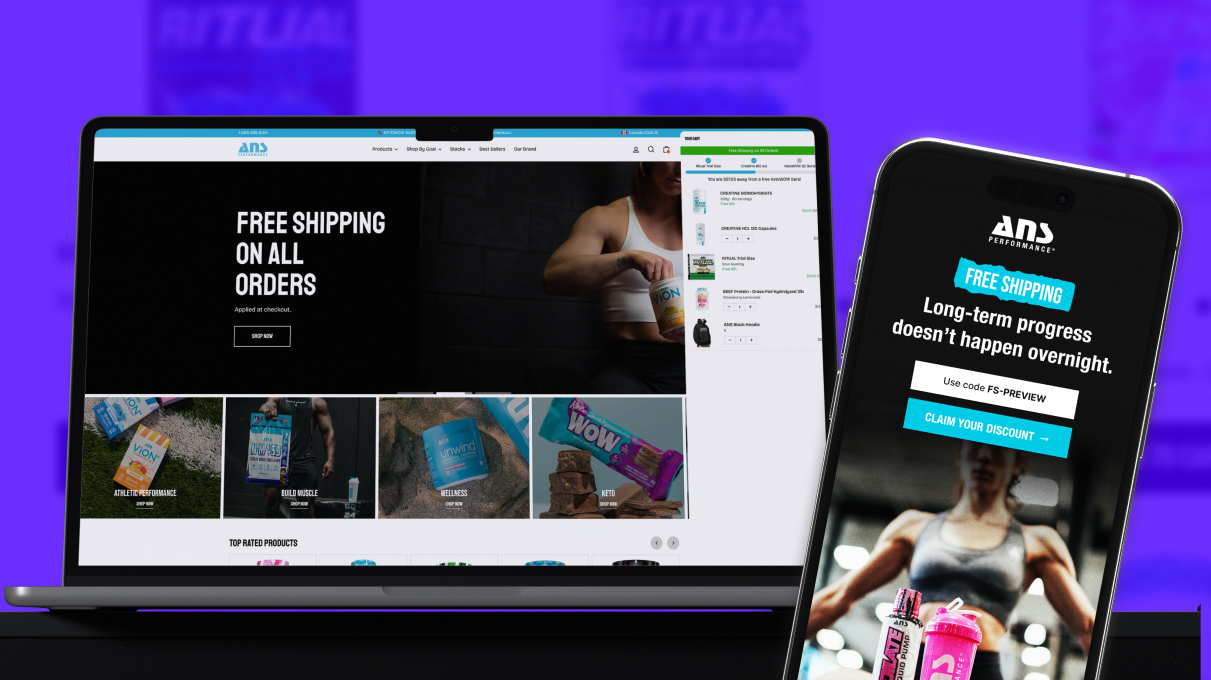
Free shipping is a powerful incentive.
It can reduce hesitation, increase checkout completion, support average order value, and encourage customers to buy directly. However, it may also condition customers to expect free shipping, reduce margins, attract lower-value orders, and create a misleading impression of performance.
For these reasons, we sometimes test free shipping discreetly.
1 At Bat Media’s strategy entails launching the offer, monitoring customer behavior, analyzing the financial impact, segmenting new and returning customers, reviewing margins, and assessing regional profitability. Based on these insights, we determine whether to expand the promotion.
The goal is not simply to increase order volume, but to drive more profitable orders, encourage sustainable customer behavior, and implement a shipping strategy the business can support.